Transporting and Storing Oil
15 min read

© SCHAFF PHILIPPE - TotalEnergies - A tanker being loaded at the Port-Gentil oil terminal in Gabon.
is transported either by land, via pipelines, or, more typically by sea, on board tankers that are subject to strict security and safety requirements. Storing oil allows supply to be adjusted to demand and helps deal with potential international crises.
Explore
Transporting Oil by Sea
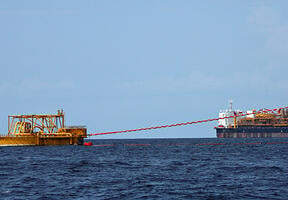
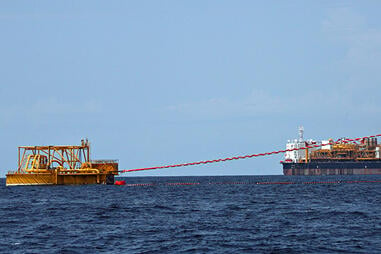
Oil shipping accounts for nearly a third of global maritime trade. The capacity of the world’s fleet of tankers, the ships that transport crude oil and petroleum products, has increased by 73% since 2000. They travel the world's major shipping lanes, passing through strategic locations such as the Strait of Hormuz, the Strait of Malacca, and the Suez and Panama Canals.

Transporting Oil by Land
Economic, geographical or political reasons can sometimes make transporting oil by land a better option than shipping it by sea. In such cases, oil pipelines are used to link ports, refineries and points of consumption.
Petroleum Reserves
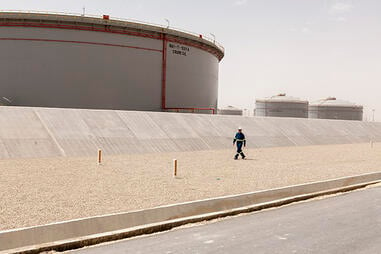
Industrialized countries build oil and gas reserves so they can adjust supply to fluctuating consumer demand in real time and hold crude oil while it awaits refining. Oil stocks are also a buffer against the fallout from international crises.
 This may interest you
See all