Africas's Energy Challenges
15 min read

© Thinkstock - Energy will fuel Africa's development.
Nearly two out of three Africans lack access to modern, reliable energy, and the population is expected to double by 2050. Despite Africa’s enormous energy potential—both fossil fuels and renewables—significant obstacles remain, including falling global prices, economic slowdown, and fragile governance.
However, the
and the development of low-carbon solutions, particularly decentralized solar
, offer Africa an opportunity to leapfrog stages and reduce the energy divide.
Explore
Is Africa the Continent of the Future?
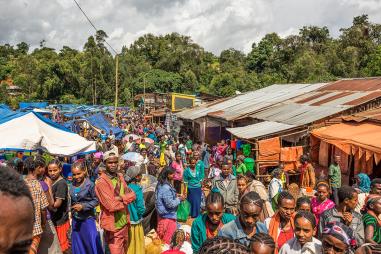
Experts unanimously agree that after years of fairly slow development Africa is now undergoing rapid growth. The pundits, however, are divided into two categories: the Afro-optimists, who believe that Africa is set to become the continent of the future, and the Afro-pessimists, who believe that poverty-related tensions will only get worse. But thanks to Africa's bright energy prospects, particularly in the field of solar electrification, the scales could tip in favor of the optimists. A few key issues are described below.
A Rich and Varied Energy Potential
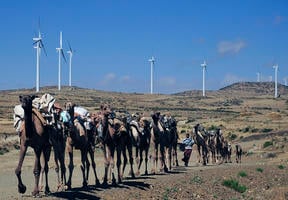
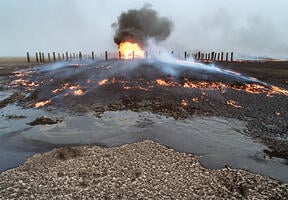
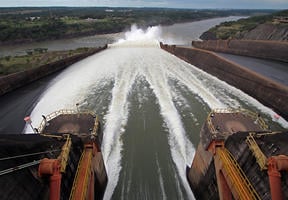
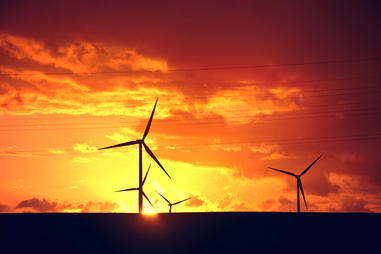
Africa's energy needs are expected to increase at a fast past, driven by economic growth of around 5%, a population that is rising faster than the rest of the world and rampant urbanization. A combination of poverty, certain governance-related issues and the risk of above average global warming are impeding the development of Africa's energy resources, which are considerable. Africa has been extracting and producing oil for decades. Its natural gas reserves have begun to be developed. Its hydroelectric resources are underutilized, and its solar, wind and geothermal potential is tremendous.
Electrification: Hopes for a Solar Revolution
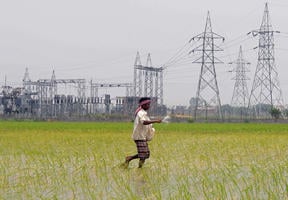
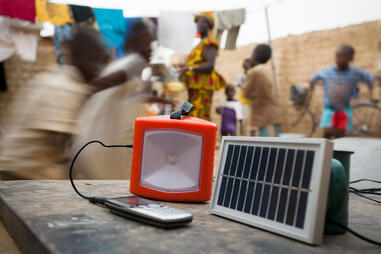
Sub-Saharan Africa uses less electricity than Spain. A tea kettle boiled twice a day by a family in Britain uses five times as much electricity as a Malian consumes in one year. And it would take a Tanzanian eight years to use as much electricity as an American consumes in one month. The electrification of Africa has become a matter of urgency.
 Geopolitics of energy
See all