About Oil and Gas Deposits
15 min read

© THINKSTOCK - Hydrocarbons formed over millions of years, at the heart of major geological formations.

The Slow Formation of Oil and Natural Gas Deposits
Explore
How Oil and Gas Deposits Are Formed
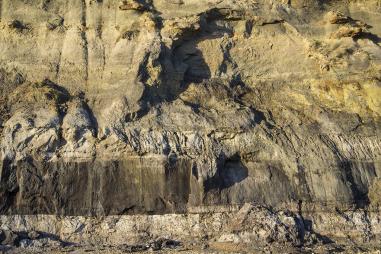
Deep in the Earth, oil and natural gas are formed from organic matter from dead plants and animals. These hydrocarbons take millions of years to form under very specific pressure and temperature conditions.
How Oil and Gas Migrate
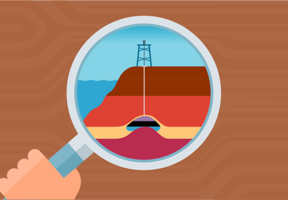
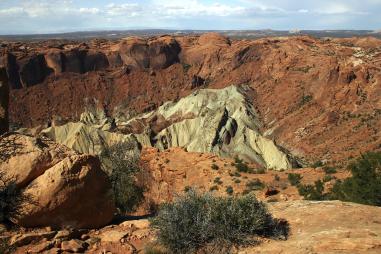
Starting out from the source rock where they are formed, hydrocarbon molecules, which are light, set off on an upward journey to the surface. They accumulate in porous rock and are blocked by impermeable rock, thereby creating oil and gas deposits.
From Traps to Commercial Deposits
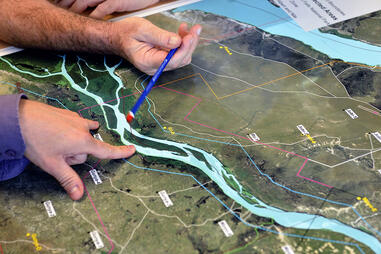
Commercial oil and gas deposits occupy closed spaces created by deformations in geological layers. These spaces, known as traps, must be large enough to make developing the deposit economically viable.
 This may interest you
See all