Energy in All Its Forms
2 min read
refers to natural energy “sources”, including fossil fuels such as , oil and natural gas, and low-carbon energy sources such as nuclear and that emit little-to-no CO2. Renewable energy comes from sources like hydro, solar, wind, , and waste, and have the advantage of never running out. Primary energy sources are converted into and energy carriers, which are easier for humans to use. Examples include , , fuel and .
Energy in All Its Forms
Do you know all the different forms of energy?
Let’s start with primary energy. This refers to all natural energy “sources” that humans subsequently convert into forms of energy that are easier to use.
Primary energy includes:
- fossil fuels
- low-carbon energy sources
Fossil fuels
Fossil fuels are formed from the transformation of organic matter buried in the ground for several millions of years: coal, oil, natural gas.
Low-carbon energy sources
These sources can be harnessed while emitting little-to-no .
, this refers to using the heat released from splitting or plutonium atoms to generate electricity.
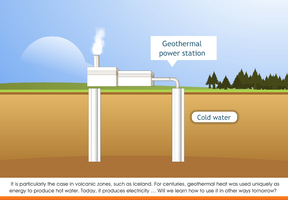
Renewable energy, this energy can come from sources that will almost never run out (solar/geothermal) or be produced from movements generated by nature (wind/hydro) or from burning natural or man-made resources (waste/biomass).
All of these primary energy sources are then converted into secondary energy and energy carriers, before being used by humans: electricity, heat, fuel, hydrogen.
Summary:
- 2 categories of primary energy:
- Fossil fuels (coal, oil, natural gas)
- Low-carbon energy sources - Low-carbon energy sources = nuclear + renewables (solar, geothermal, wind, hydro, waste and biomass).
- Primary energy converted into secondary energy: electricity, heat, fuel and hydrogen.
 Where does energy come from?
See all