Sustainable Mobility: Ages 15-18
15 min read

© getty/ RicardoImagen
Mobility is part of our daily lives: going to class, delivering goods, traveling… but it is also one of the key areas of the . How can we get around (and transport goods) while emitting less CO₂, consuming less energy, and improving the quality of life in cities? From alternative powertrains (electric, , , etc.) to new fuels for aviation and shipping, and urban planning solutions (urban transit, examples in France and internationally), this report offers clear guidelines, key figures, and concrete examples to help understand the choices shaping mobility today… and tomorrow.
STEM / STI: Alternative powertrains
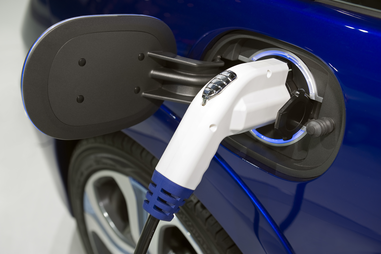
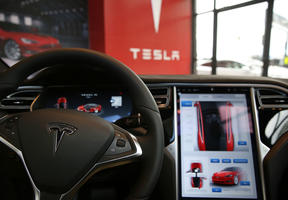
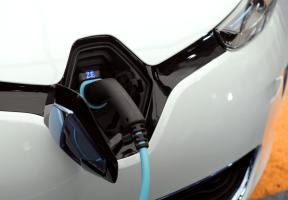
Sustainable Energy Challenges: The Electric Car
Energy use must satisfy a set of conditions to be considered “sustainable”: it must not exhaust natural resources, it must not emit too much CO2 or other pollutants and, most importantly, it must form part of a virtuous “cycle” at every stage. Take, for example, electric and hydrogen cars, which are set to play a key role in the future of mobility.
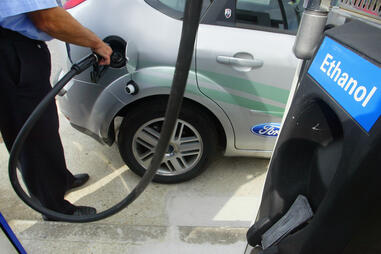
Biofuels: definition, production, and climate challenges
As part of the energy transition and efforts to combat climate change, biofuels are emerging as a key alternative to fossil fuels

"Hydrogen Revolution": Is it possible?
A key driver of the energy transition: that is how many energy experts view hydrogen. A great deal of research and technological advancement is still needed to make this vision a reality. But momentum is building in several major countries around the world.
Economics and Social Sciences: The transition toward more sustainable models
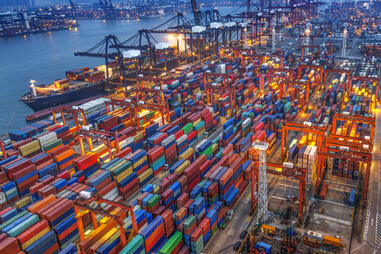
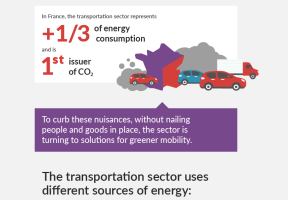
The Global Transportation Sector: CO2 Emissions on the Rise
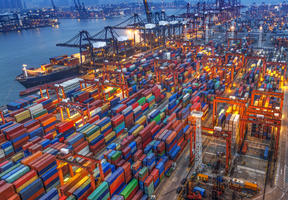
Economic globalization, higher living standards and the boom in tourism have spurred an increase in passenger and freight volumes since the end of the 20th century, a trend that is expected to continue through to 2050. The transportation sector is currently responsible for the fastest growth in CO2 emissions.
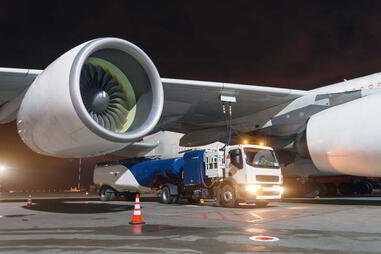
Fuels in Aviation and Shipping
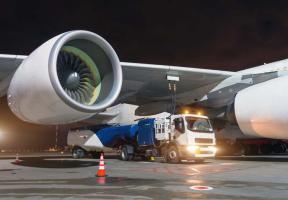
In 2024, the aviation industry accounts for approximately 8% of global final oil consumption, while maritime shipping represents around 7%. Aviation is the fastest-growing sector in terms of oil demand — in fact, until the early 1980s, it consumed less energy than shipping. Both figures are modest compared to road transportation (passenger cars and freight vehicles), which accounts for 46% of global final oil consumption1.
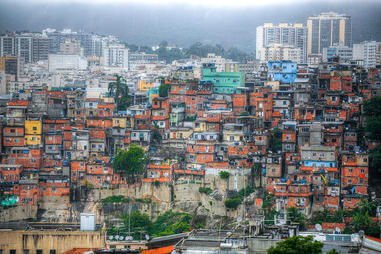
Challenges for the Cities of the Future
According to the United Nations (U.N.)1, 68% of the world’s population will live in urban areas by 2050, compared with 2% at the beginning of the 19th century, 30% in 1950 and 55% in 2018. Given this trend, what can be done to ensure cities stay pleasant, unpolluted places to live, with low greenhouse gas emissions so as not to make global warming worse?
Geography and Geopolitics: Planning sustainable territories
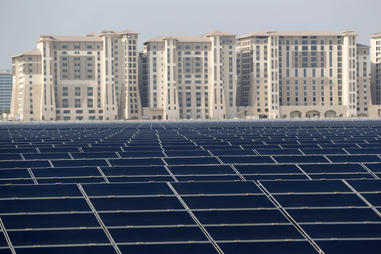
Masdar City: A City Laboratory Open to the World
Masdar City, located in the emirate of Abu Dhabi, is a city that came to life in 2006 in a very hot and oil-rich region. Its aim is to become a "zero-carbon”, “zero-waste” and “zero-fossil-fuel" eco-city. It's a very tough challenge, and the city has yet to achieve its goals. But it's a very interesting place, where new environmental technologies are being tested, and where students and entrepreneurs are being trained to build the next cities of the future.
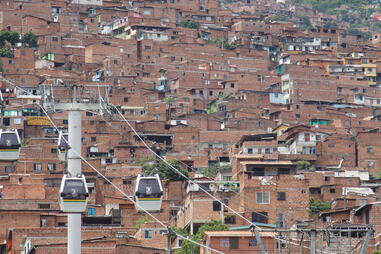
Medellín: A Model of Social Urban Planning and Sustainable Mobility
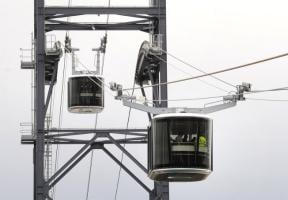
The city of Medellín, in Colombia, has been cited worldwide as a model for its policy of reducing favelas—very poor neighborhoods found on the outskirts of many South American cities. This successful social policy is notable for placing public transport and the improvement of the urban environment at the heart of the actions carried out.
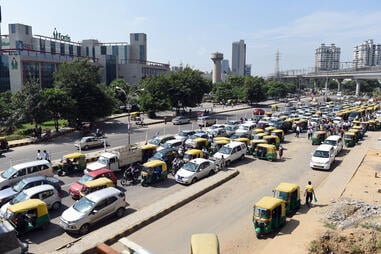
Pollution in New Delhi: Understanding the Causes and Challenges of an Indian ...
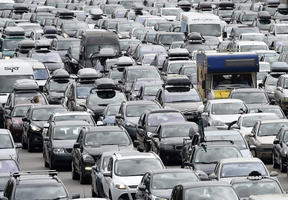
New Delhi, the capital of India, is part of a much larger urban area: along with Gurgaon and Noida, the “National Capital Region” is home to more than 25 million people, making it one of the world’s largest megacities and now surpasses Mumbai in both population and economic clout. As a result, this Indian megacity ranks among the world’s most polluted cities, making it an ideal case study for exploring in the classroom the links between urbanization, mobility, energy, and air quality.
 This may interest you
See all